Basement waterproofing is not a one-size-fits-all solution, which is why understanding the different waterproofing methods can help homeowners choose the best approach for their property. Some homes may only need minor preventative measures, while others require more advanced drainage systems to address ongoing water intrusion problems. Factors such as the age of the home, foundation type, soil conditions, and severity of moisture issues all play a role in determining which waterproofing technique may be most effective.
Interior waterproofing systems are commonly used to manage water that enters through foundation walls or floors. These systems often include drainage channels, sump pumps, and vapor barriers designed to redirect water away from the basement before it can accumulate. Interior solutions are often less disruptive and can help control moisture levels in basements that experience recurring leaks during heavy rainstorms or seasonal snow melt. While these methods manage water intrusion effectively, they are typically designed to control water after it enters the structure rather than stopping it entirely from the outside.
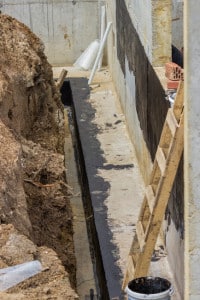
Exterior waterproofing methods focus on preventing water from reaching the foundation walls in the first place. This process may involve excavating around the home, applying waterproof membranes, improving grading, and installing exterior drainage systems to move groundwater away from the property. Exterior waterproofing can provide long-term protection against foundation moisture issues, but it is often more labor-intensive and may be recommended for severe or persistent water problems.
Crack repair and foundation sealing are also important parts of many basement waterproofing strategies. Small cracks in concrete walls or floors can allow moisture to seep into the basement over time, eventually leading to mold growth, odors, and structural concerns. Addressing these openings early may help reduce future damage and improve the overall effectiveness of the waterproofing system.
Choosing the right waterproofing technique often requires a full inspection of the basement and foundation. Combining interior drainage, exterior protection, proper grading, and moisture management solutions can help create a more complete defense against basement water damage and long-term foundation issues.
The do-it-yourself options for basement waterproofing are at your disposal in any hardware store. Quick fixes and basement remedies are everywhere, but they’re not going to cut it when it comes to truly fixing your waterproofing problems. Why? Because pressure in your walls, soil, and foundation come into play, and there is no easy way to work around it on your own.
There are two types of pressure that Tom’s Basement Waterproofing takes into consideration, when analyzing any basement waterproofing job:
- Hydrostatic Pressure – This type of pressure forms when water pools around the basement floors. It pushes against the foundation of your home, and causes the water to rise.
- Lateral Pressure – This type of pressure forms when your foundational soil isn’t properly packed in. Soil is then pushing against your foundation from the sides, as it absorbs water.
Both forms of pressure are going to create leaks, cracks, and problems for your basement. The problem with the store-bought and ‘easy’ solutions for basement waterproofing is the lack of pressure issues taken into consideration, and leads to only temporary fixes. The original source for your basement leaks and basement water is coming from either hydrostatic or lateral pressure.
A variety of different basement waterproofing options are often placed together, and work as one to eliminate pressure issues in your basement. Sump pumps, drainage systems, and sealants are all applied to your basement, and work together as a strong basement waterproofing team. The sump pump will eliminate the water out of the basement, while the drainage system will move the water far away from your house and foundation. Additionally, properly aligning your downspouts, around your home, will help alleviate water from forming near your home in the first place.
Tom’s Basement Waterproofing also looks over the exterior of your home and foundation, and closely examines your soil for pressure problems. This will help us properly seal the outside issues, and eliminate any more cracks in your walls.
The next time you run into a basement water problem, and consider fixing it yourself, remember that pressure is at work, in and around your home. Let the professionals look over your problems and handle the waterproofing from the root of the issue. Take proactive steps to stop buying quick basement waterproofing fixes at your local hardware store.